
Ceilings

Ceilings
Ceiling Solutions – Transformative Ceiling Solutions for Versatile Workspaces
Apton’s range of ceiling systems offers innovative solutions designed to enhance functionality and aesthetics in dynamic environments. Engineered for adaptability, our modular ceilings meet diverse needs, from traditional office spaces to modern collaborative areas. With a variety of styles, including open cell designs and decorative options, our ceilings are crafted to elevate both the appearance and performance of your workspace.
Enhanced Accessibility and Functionality
Our ceiling systems ensure easy access for maintenance, promoting a hassle-free environment. Designed for seamless integration with various grid systems, these solutions provide flexibility in installation while maintaining a polished look that aligns with contemporary workplace demands.
Custom Design and Versatility
Tailor your space with our versatile ceiling options: enjoy the contemporary feel of open cell panels that allow for easy access and airflow, or select linear designs that introduce a modern touch while accommodating your aesthetic preferences. Our collaborative approach allows for bespoke solutions that reflect your design vision, ensuring a harmonious integration of style and functionality.
Effortless Installation and Maintenance
Apton’s ceiling systems are designed for simple installation and upkeep. With intuitive designs that allow for quick adjustments and easy access, these ceilings provide a practical solution for any workspace. Whether you’re enhancing a single room or an entire office, our ceiling solutions offer the versatility and ease needed to support your evolving workspace goals.

AP 101

AP 102
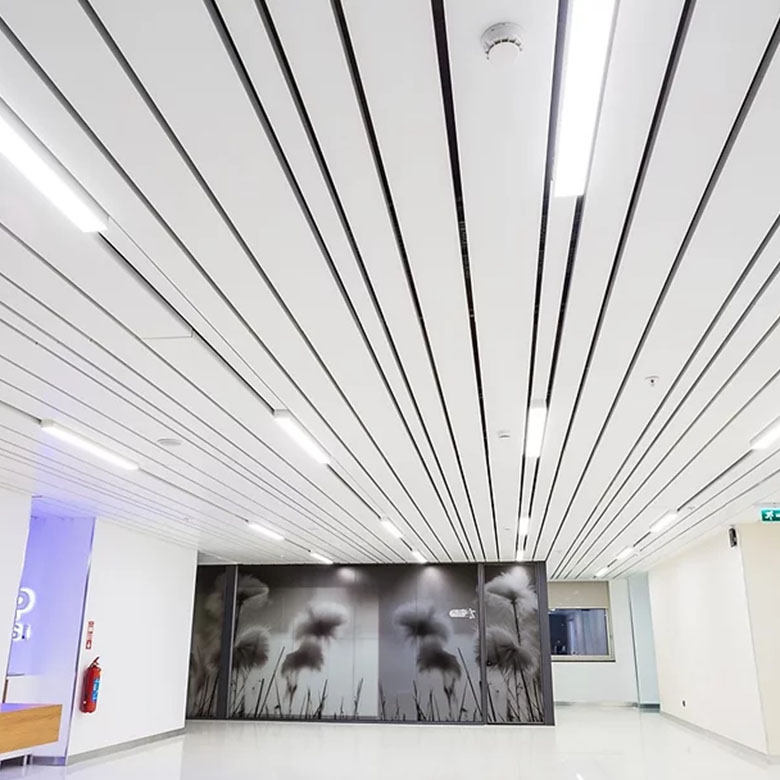
AP 103

AP 104

AP 105
The Benefits of Suspended Ceiling Systems: Transforming Spaces with Style and Function
Suspended ceiling systems, also known as drop ceilings or acoustic ceilings, have become a staple in modern interior design and construction. These versatile systems consist of a grid of metal channels or wires, from which ceiling tiles or panels are suspended. They offer a wide range of benefits that encompass aesthetics, functionality, and practicality. In this article, we will explore the numerous advantages of suspended ceiling systems and their role in transforming spaces.
1. Aesthetic Enhancement
One of the most significant advantages of suspended ceiling systems is their ability to enhance the aesthetics of a space. These systems come with a wide range of ceiling tile options, from plain, smooth panels to textured or decorative designs. They provide an opportunity to create a clean, uniform, and stylish ceiling surface, hiding unsightly pipes, wires, and structural elements.
2. Acoustic Control
Suspended ceiling systems are known for their excellent acoustic properties. The ceiling tiles are designed to absorb sound and reduce noise, making them a valuable addition to spaces where noise control is essential, such as offices, schools, healthcare facilities, and theaters.
3. Easy Installation and Access
The installation of suspended ceiling systems is relatively quick and straightforward. The grid structure allows for easy access to the area above the ceiling, making it convenient for maintenance, repairs, or the installation of additional wiring and utilities. This accessibility saves both time and money in the long run.
4. Lighting and HVAC Integration
Suspended ceiling systems allow for the integration of lighting fixtures, air vents, and other building services. Recessed lights, diffusers, and sprinkler heads can be easily incorporated into the ceiling grid, maintaining a seamless and organized appearance.
5. Energy Efficiency
These ceiling systems can contribute to energy efficiency by creating a thermal barrier between the interior space and the ceiling cavity. This helps to reduce heat loss in the winter and heat gain in the summer, ultimately lowering heating and cooling costs.
6. Concealed Wiring and Plumbing
Suspended ceiling systems conceal unsightly electrical wires, plumbing, and HVAC ducts, providing a tidy and organized appearance. This is particularly valuable in commercial spaces, where aesthetics play a significant role in the overall design.
7. Moisture Resistance
Suspended ceiling tiles are available in moisture-resistant options, making them suitable for areas prone to high humidity or moisture, such as basements, bathrooms, and kitchens.
8. Cost-Effective Solution
Suspended ceiling systems are cost-effective and provide an attractive alternative to traditional plaster or drywall ceilings. Their ease of installation and maintenance makes them a practical choice for both new construction and renovation projects.
9. Fire Resistance
Many ceiling tiles used in suspended ceiling systems are designed to meet fire resistance standards. This added safety feature is crucial in commercial and public spaces where fire safety is a top priority.
10. Customization
Suspended ceiling systems offer customization options, allowing you to choose from a variety of materials, colors, and patterns to match the design and style of your space. This flexibility enables the creation of unique and visually appealing ceilings.
11. Concealed Sprinkler Systems
Some suspended ceiling systems can hide fire sprinkler systems, which are a crucial safety feature in commercial and residential spaces. This integration ensures that the sprinkler heads are concealed within the ceiling grid.
12. Eco-Friendly Options
Environmentally conscious consumers can choose eco-friendly ceiling tiles made from recycled materials. This supports sustainability and green building practices.
In conclusion, suspended ceiling systems offer a multitude of advantages, making them a preferred choice for various applications. Their ability to enhance aesthetics, control acoustics, integrate lighting and HVAC components, and provide energy efficiency adds value to residential, commercial, and industrial spaces. Additionally, their cost-effectiveness and ease of installation make them a practical choice for construction and renovation projects. Suspended ceiling systems are more than just an architectural feature; they are a transformative element that elevates the functionality and visual appeal of any interior space.