
Cubicles
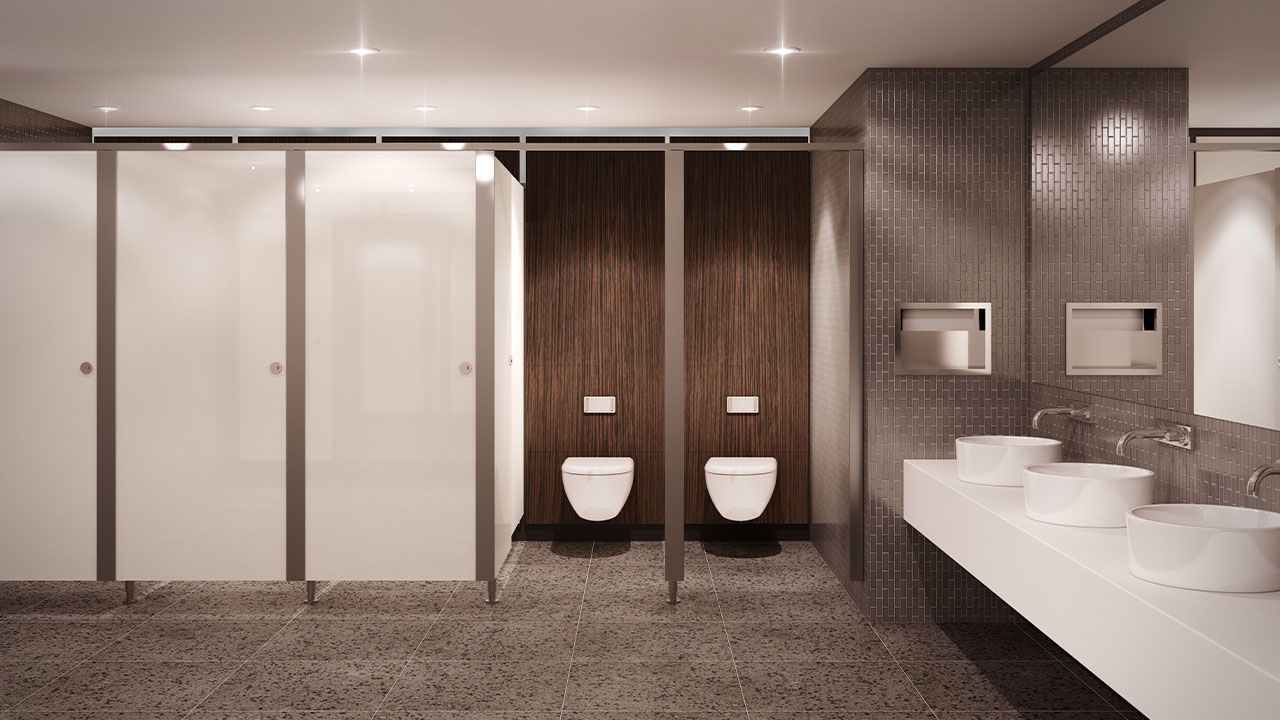
Cubicles
Elevate Your Washroom with Apton Cubicles
Apton’s range of high-pressure laminate (HPL) toilet cubicles offers sophisticated solutions designed to enhance the aesthetic and functionality of washrooms in luxury settings. Available in a vibrant spectrum of colours, our cubicles are perfect for complementing any architecturally designed space, creating an elegant atmosphere in environments such as high-end hotels, fine-dining restaurants, and offices.
Versatile Design Options
Our timber veneer cubicles add a warm and inviting touch, while our glass options provide a calm, contemporary look that exudes sophistication. Whether fitted wall-to-wall or as standalone units with single frameworks, these toilet cubicles can be tailored to meet the unique requirements of any washroom design.
Customisation and Integration
With a variety of unique veneer options and contemporary patterns on HPL boards, our cubicles allow you to create a distinct look that aligns with your designing vision. Complementing our HPL cubicles with matching urinal dividers ensures a cohesive and integrated aesthetic, enhancing the overall ambiance of your space.
Functional and Stylish Solutions
Available in a range of colours and finishes, our toilet cubicles and urinal dividers are fully customisable to meet your specific dimensions and design preferences, ensuring a stylish and functional solution for your washroom needs.

Patterned HPL Cubicles
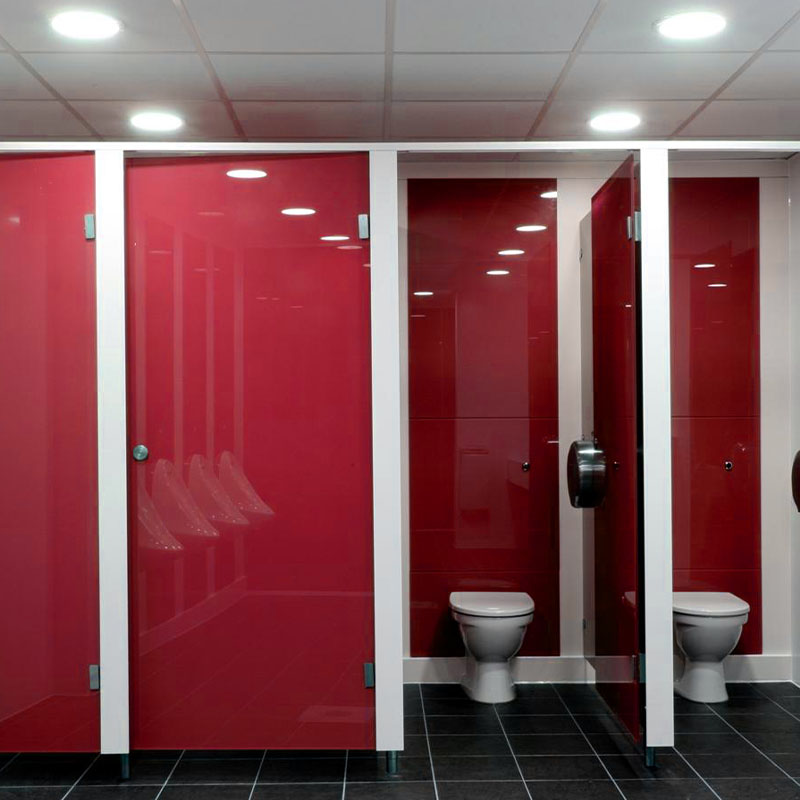
Framed Glass Cubicles
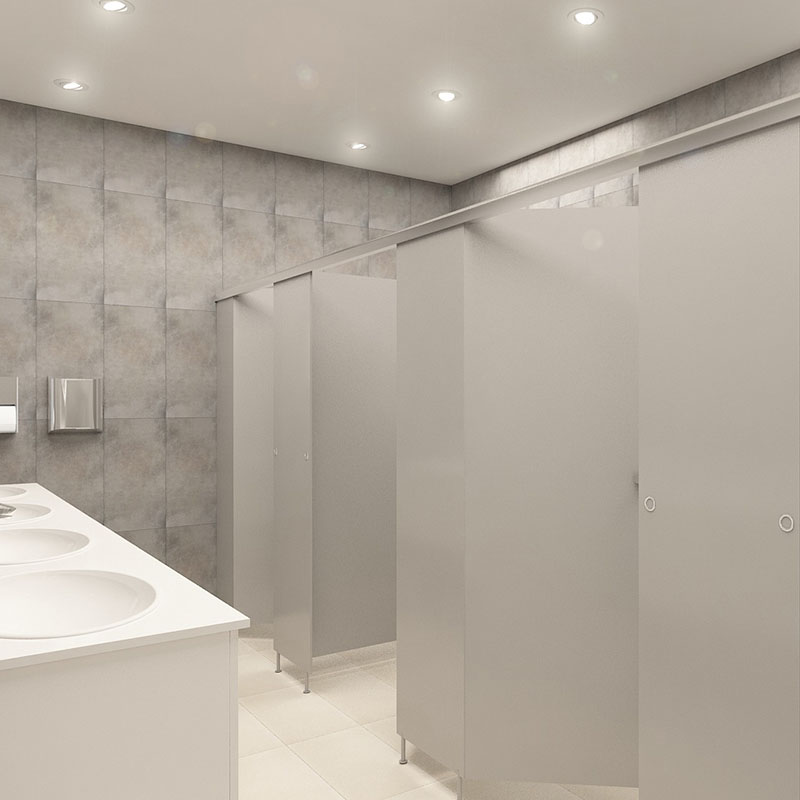
Single Coloured HPL Cubicles
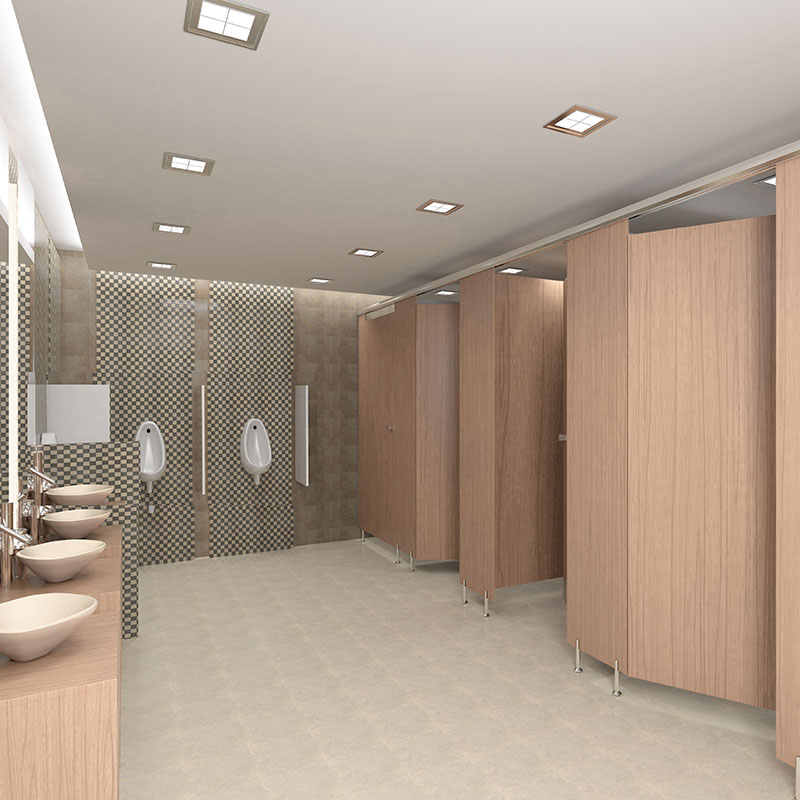
Timber Veneered HPL Cubicles
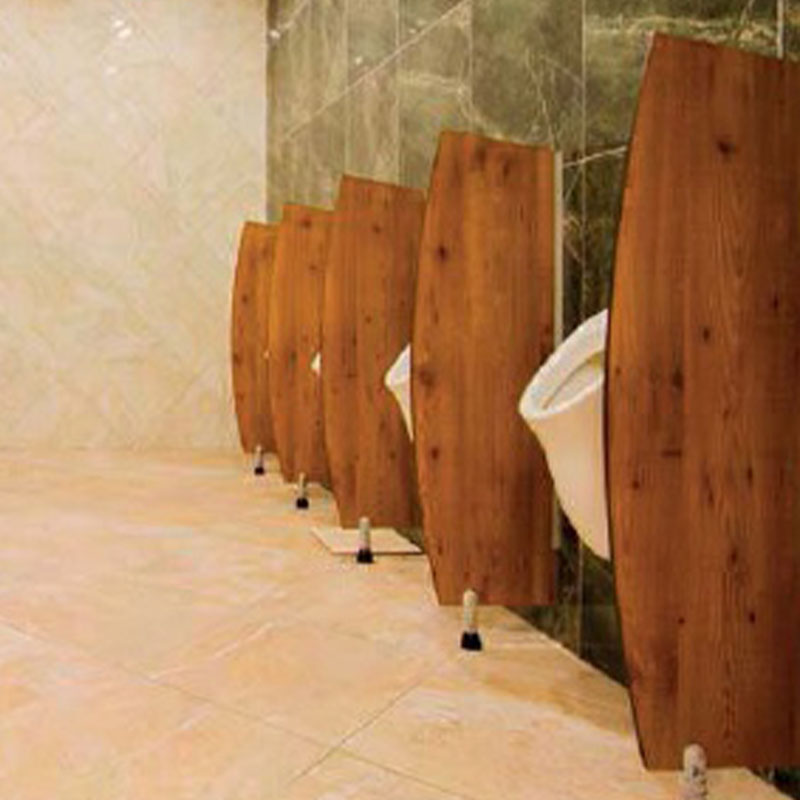
Free Standing Urinals System
The Benefits of Toilet cubicles: Versitle hpl toilet partition solutions
Toilet cubicles, also known as bathroom partitions or stalls, offer several benefits in both public and private settings. Here are some of the key advantages:
1. Privacy
The primary function of washroom cubicles is to provide privacy to users. They create individual, enclosed spaces that help maintain personal privacy and comfort while using restroom facilities.
2. Hygiene
Cubicles contribute to maintaining a hygienic environment by preventing the spread of germs and bacteria. They help contain odors and minimize the risk of cross-contamination between users.
3. Space Optimisation
Cubicles are designed to efficiently use available space, making it easier to accommodate a larger number of facilities within a given area. This is particularly important in public spaces with high foot traffic.
4. Aesthetics
Washroom cubicles come in various designs, colors, and materials, allowing for customization to match the overall aesthetic of the facility. This can contribute to a more visually appealing and well-designed restroom space.
5. Accessibility
Many cubicle designs are compliant with accessibility standards, ensuring that restroom facilities are usable by individuals with disabilities. This includes features such as grab bars and adequate space for maneuvering wheelchairs.
6. Durability
High-quality materials used in cubicle construction, such as solid core phenolic or high-pressure laminate, contribute to the durability and longevity of the partitions. This helps reduce maintenance costs over time.
7. Easy Maintenance
Washroom cubicles are designed to be easy to clean and maintain. The materials used are often resistant to water, chemicals, and stains, making it simpler to keep the facilities in a clean and sanitary condition.
8. Flexibility
Cubicles are available in various configurations and sizes, allowing for flexibility in designing restroom layouts to suit different spatial constraints and user needs.
9. Sound Insulation
Some cubicle designs incorporate features that provide a degree of sound insulation, reducing noise levels within the restroom and contributing to a more comfortable experience for users.
10. Compliance with Regulations
Cubicles can be designed to meet specific building codes and regulations related to restroom facilities. This ensures that the facilities are safe, accessible, and compliant with relevant standards.
In summary, washroom cubicles offer a combination of privacy, hygiene, space optimisation, aesthetics, accessibility, durability, and ease of maintenance, making them a practical and essential element in well-designed restroom spaces.