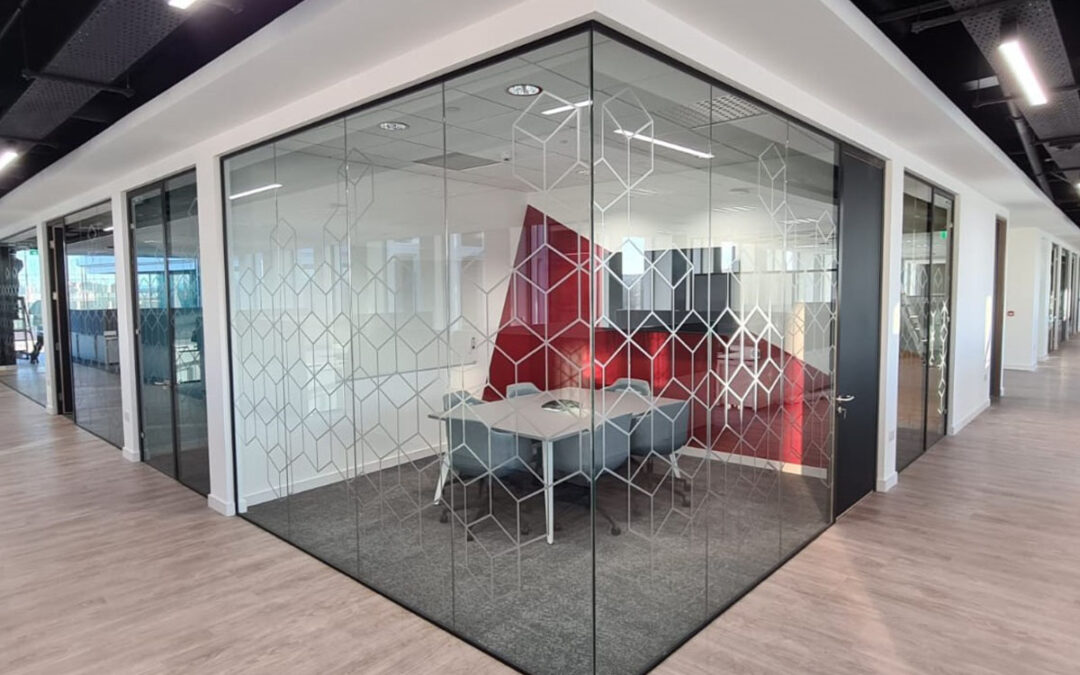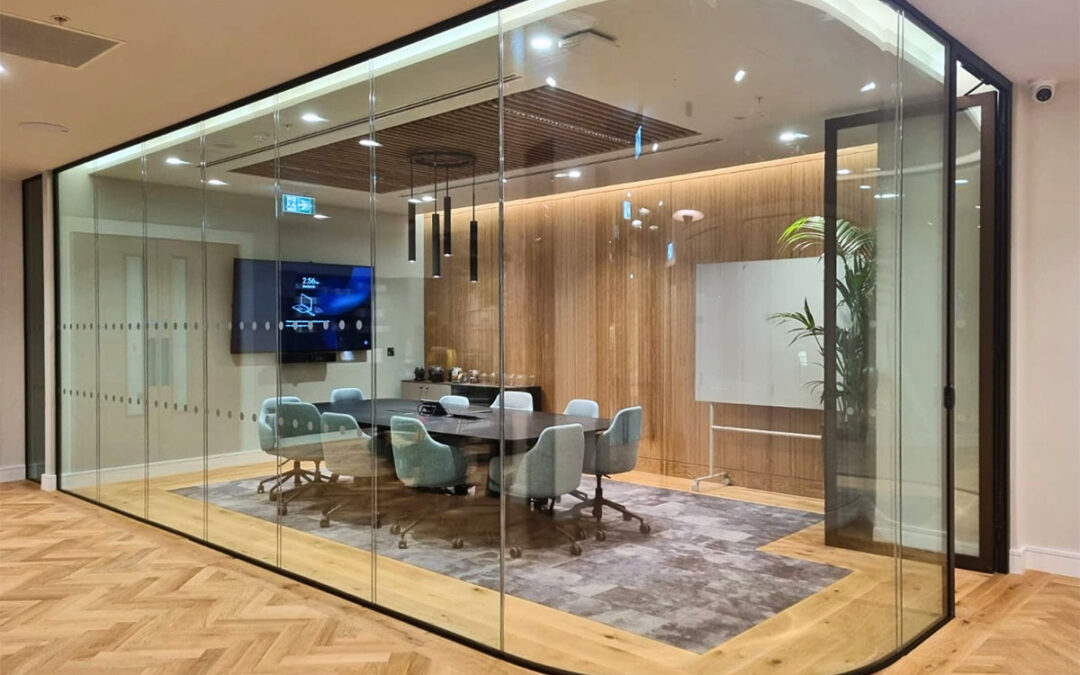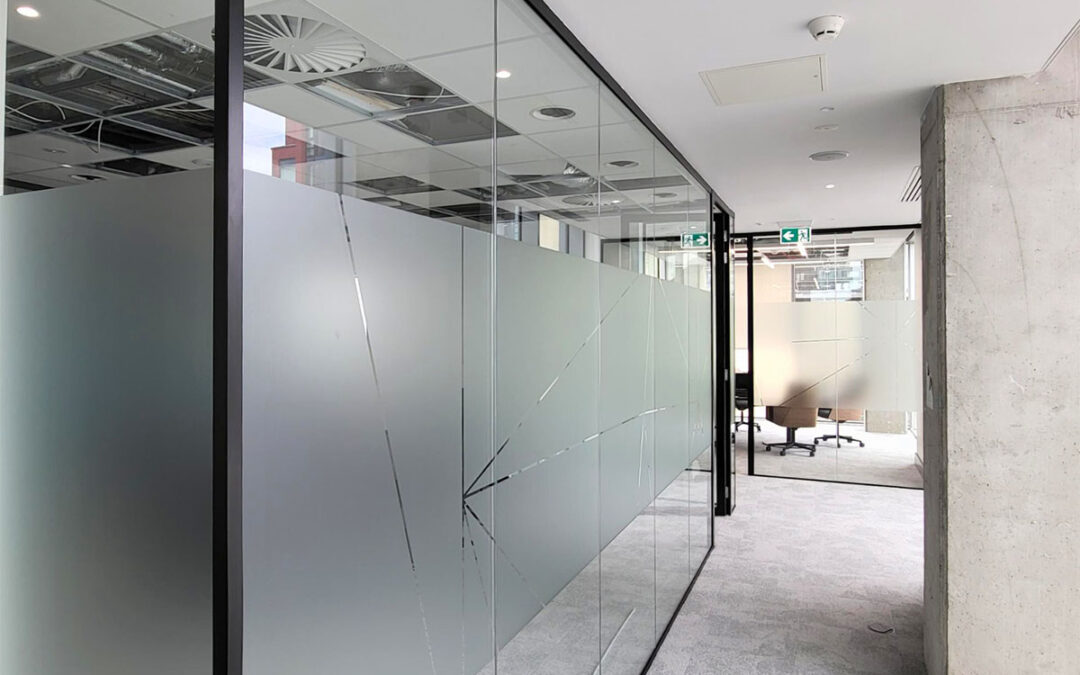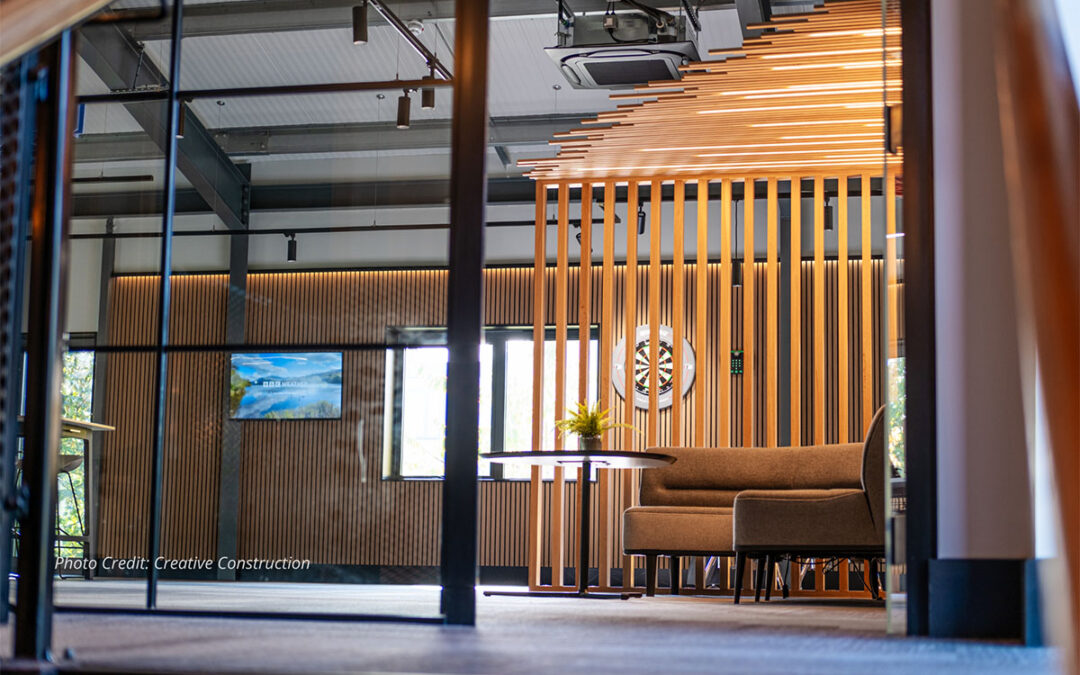
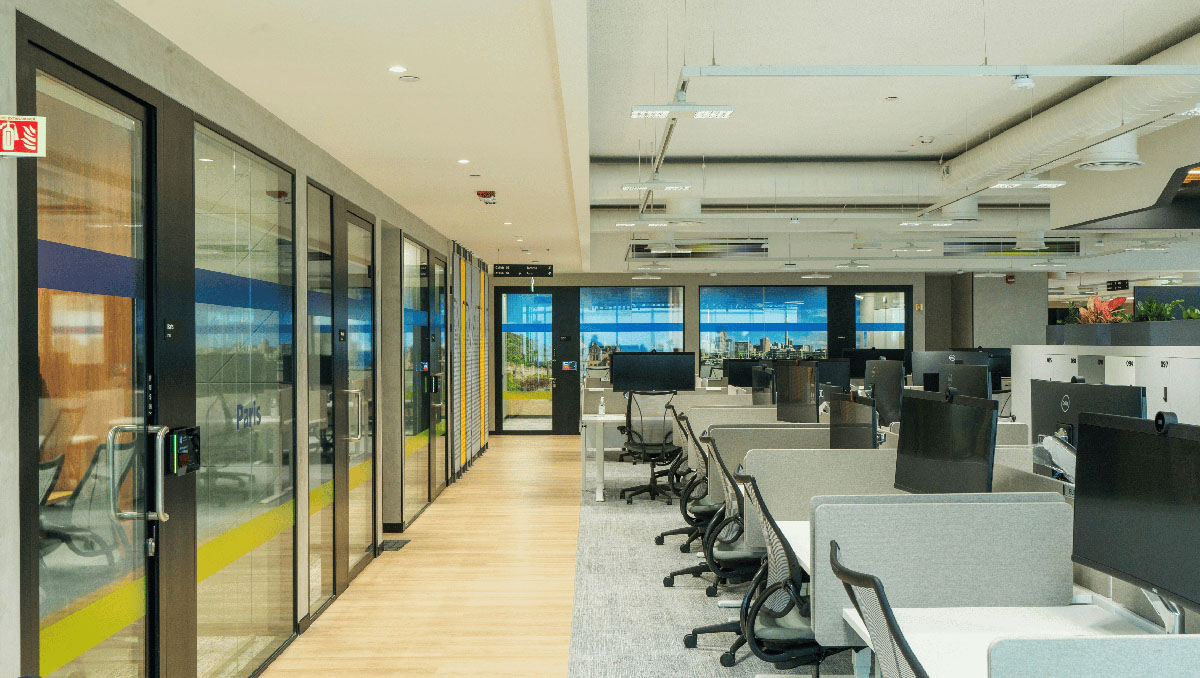
Creating quiet, comfortable, and productive spaces is a priority for many modern workplaces, healthcare environments, and commercial buildings. Acoustic glass doors play a crucial role in achieving this by reducing noise transfer while maintaining transparency and natural light. However, not every acoustic door solution fits every project. That’s why at Apton, we offer a range of flexible acoustic glass doors designed to meet diverse needs, from space-saving sliding options to classic swing doors, and our premium flush doors for seamless integration. This guide will help you understand the key options available and how to choose the right acoustic glass door for your space.
Understanding Acoustic Glass Doors and Their Benefits
Acoustic glass doors are engineered to block sound transmission between spaces without sacrificing light or aesthetics. Unlike solid doors or traditional partitions, these doors use specially designed glass panels, combined with high-quality acoustic seals and acoustic materials in frames and profiles. This helps to achieve impressive noise reduction ratings, allowing offices, meeting rooms, and public areas to stay visually open and connected, while providing the privacy and sound control needed for focused work or confidential discussions.
Choosing the right door involves balancing acoustic performance with architectural design, space constraints, and operational requirements. At Apton, we understand these demands and offer a portfolio of acoustic doors tailored to fit.
Standard Swing Acoustic Glass Doors: The Versatile Choice
Our standard acoustic glass doors represent a tried-and-tested solution that fits the needs of most spaces. They are designed to integrate seamlessly with both single and double glazed partition systems, offering acoustic performance up to 42 dB (Rw). This level of sound reduction makes them ideal for open-plan offices, focus rooms, meeting spaces, and anywhere that requires privacy without losing natural light.
The swing doors come in two main variations: MK1 and MK2. Both feature sleek, minimal framing that complements modern interiors. The MK1 is a single glazed option offering an acoustic resistance of up to 39dB (Rw), while the MK2 is a double glazed door system that an acoustic resistance of up to 42dB (Rw). Apton’s doors can be customised with a variety of handles, locking mechanisms and with either hinges or an offset pivot and floor spring, ensuring they meet the functional and aesthetic requirements of each project.
One of the biggest advantages of standard swing doors is their simplicity. They operate smoothly and require minimal maintenance. Their familiar functionality makes them a reliable choice for many architects, contractors, and end-users.
Sliding Acoustic Glass Doors: Space-saving Without Compromise
When floor space is limited, or when a contemporary design calls for a softer room division, sliding acoustic doors provide an excellent alternative. Our QuartzGlide 4 sliding door delivers up to 39dB (Rw) of sound reduction, combining acoustic efficiency with a modern aesthetic.
Sliding doors are particularly suited to smaller meeting pods, huddle spaces, and offices where door swing clearance might otherwise restrict furniture layout or foot traffic. Our QuartzGlide 4 doors slide in the pocket (between the glass) of our double glazed partitioning system, allowing architects to specify a clean, minimalist look that blends effortlessly with the surrounding partitions.
Though sliding doors typically offer slightly less acoustic insulation than swing doors, they provide the added benefit of spatial efficiency and design versatility. They can also be paired with a variety of locking options and finishes, helping them meet the needs of high-traffic or secure areas.
Flush Acoustic Doors: Seamless Design Meets High Performance
When it comes to high-end glazed door systems, both the GDS and ADS ranges offer sleek, flush aesthetics, but they serve slightly different needs. Understanding the distinction between the two is key to choosing the right solution for your space.
The GDS features a slim aluminium profile of 44mm x 43mm is bonded directly onto the glass, allowing the door to sit flush on one side. This creates a clean, minimalist finish typically aligned with the corridor-facing side of the partition. It’s an ideal solution for spaces where visual simplicity matters, but full surround flushness isn’t required.
In contrast, the ADS takes this concept further. Built around a 100mm wide profile, the ADS door is designed to be completely flush on both sides of the partition, integrating seamlessly with Apton’s 100mm double glazed partitioning systems. The result is an uninterrupted glass wall effect that elevates the look of any premium office, boardroom, or client-facing space.
Beyond appearance, the ADS system delivers exceptional acoustic performance of up to 43dB (Rw), all while supporting modern design features like concealed hinges. It’s the perfect solution where both aesthetics and performance are critical.
Why Flexibility Matters
One of Apton’s greatest strengths is our ability to deliver bespoke doorsets that are tailored to suit specific project requirements in terms of size, finish, hardware, and acoustic performance. Whether your project requires sliding doors to save space, flush doors for aesthetic consistency, or customised swing doors for heavy-traffic areas, we build to suit.
Our door systems are fully compatible with our all of our partition ranges, allowing clients to mix and match sliding, flush, and standard doors across a project, without compromising on visual harmony or performance. This adaptability ensures that each space gets the solution it truly needs, rather than a one-size-fits-all fix.
From compact offices to expansive boardrooms, Apton provides the right door for every environment, and the flexibility to tailor it exactly as needed.
Supporting Your Project From Start to Finish
At Apton, we believe that delivering great products is only part of the solution. Our experienced team is on hand to support architects, contractors, installers, and end-users through the specification and aftercare stages. We provide detailed technical information, installation guides, O&M manuals and personalised advice to ensure you select the best acoustic door solution for your environment.
We understand that the right door not only contributes to a building’s functionality but also its look and feel. That’s why every Apton acoustic glass door is designed with attention to detail, quality materials, and robust engineering manufactured at our factory in the West Midlands, United Kingdom.